The 2022 World Cup in Qatar made the whole world go wild, and Japan’s national team did well, beating Germany with a surprise comeback in their first game.
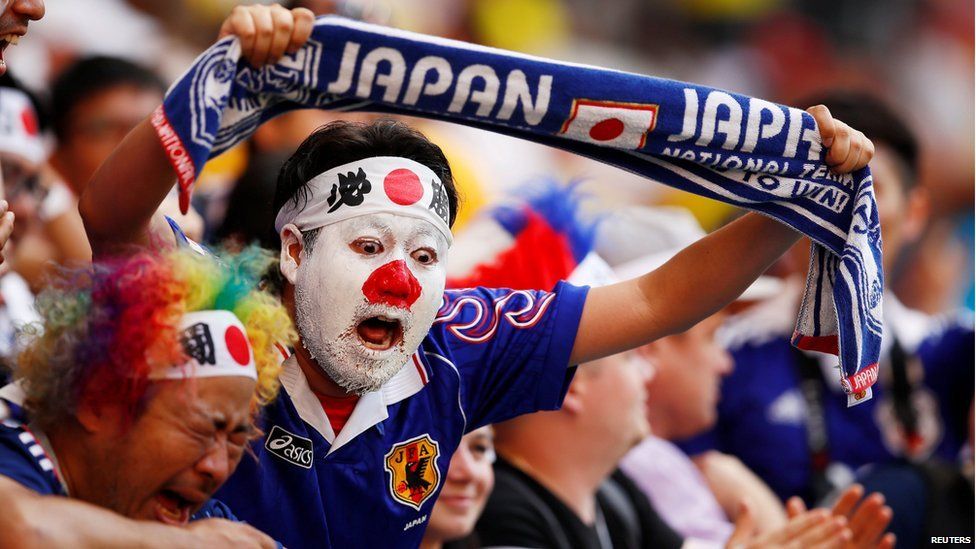
Our team personally received some compliments from friends here in America about the game. Interestingly, most of the praise was not about the players. Instead, it was about the behavior of the Japanese fans in the venue. Pictures and videos of the fans taking out garbage bags and cleaning up around their seats have gone viral. They even made New York Times headlines: “Cheer, Chant, Clean: Japan Takes Out the Trash, and Others Get the Hint.”
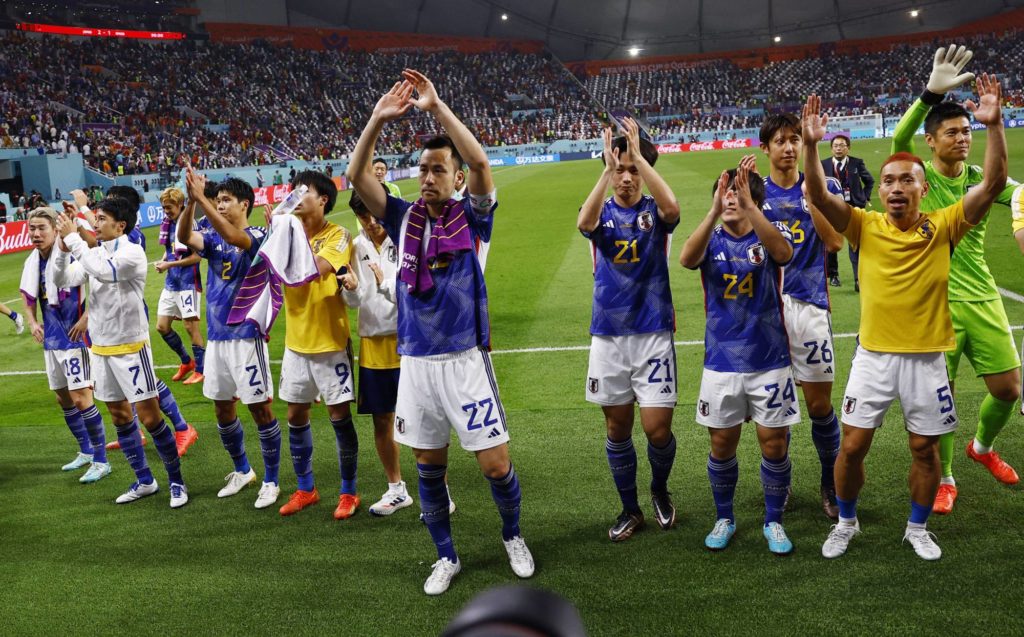
This behavior, however, comes as no surprise for Japanese people who have a long tradition of picking up trash (hot dog wrappers, empty boxes of Cracker Jacks, plastic beer cups) at the end of games and toss them in the garbage can when leaving the venue.
This behavior is taught to Japanese children from a young age. Japanese public schools have a short period called seiso or soji. This is a collective clean-up at the end of each day. The students are usually divided into small groups. Each group cleans up a designated area: classrooms, hallways, entrances, and bathrooms. The students sweep and mop the floor, take out the trash, and clean the toilet bowls. In this way, we learn from very young age that each of us is responsible for keeping shared spaces neat and clean.
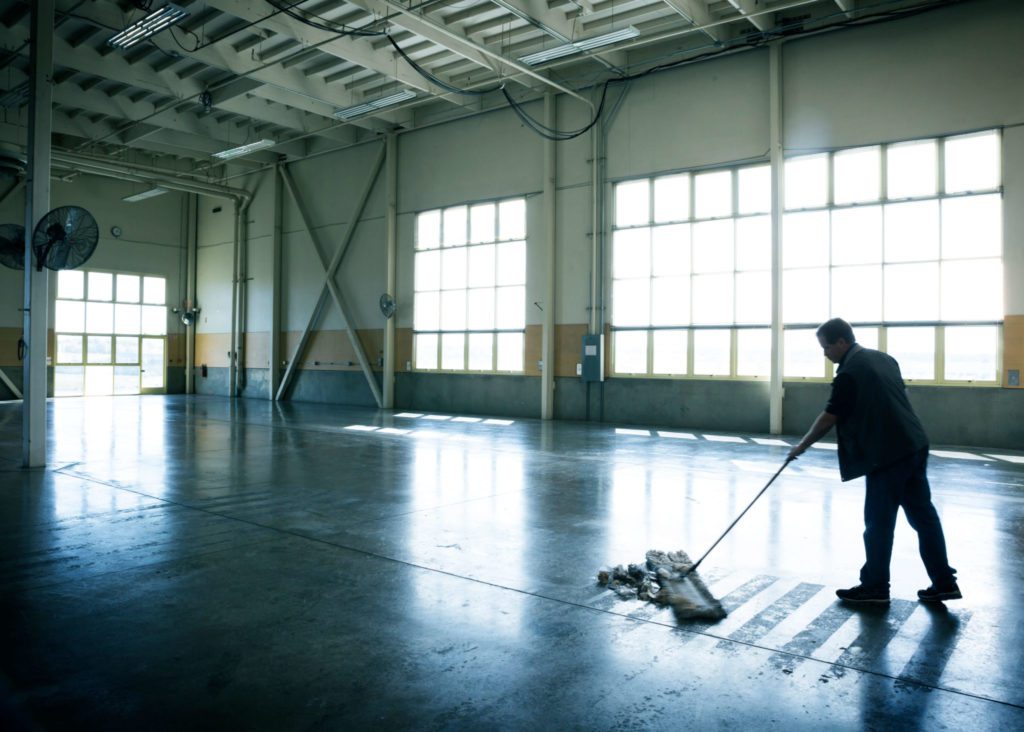
There is a saying in Japan: Tatsu tori ato wo nigosazu. In English this means When a bird flies away, it leaves nothing behind. This well-known saying is often used to describe someone leaves no bad reputation. However, it also simply means that we should clean up before we leave. Some might even say that the place should be cleaner than before we use it.
No matter the cultural context of this core Japanese cleaning principle, keeping shared spaces neat and tidy benefits everyone!
Check out some of our other posts covering interesting aspects of Japanese culture here.
Feature photo: Alex Grimm/Getty Images