Buyer’s Guide: Yakisugi, Sugi, and Hinoki Wood Products

From authentic yakisugi “shou sugi ban” siding to uncharred sugi and hinoki lumber, our Japanese wood products offer a full range of architectural and design applications. This guide walks you through the steps to choose the right product—whether for exterior siding, interior paneling, or specialty uses such as furniture and millwork. 

We suggest starting with the following key considerations:

Step 1. Define Project Details

The first step is gathering a few important project details.

  • Size – How many square feet of siding will you need?
  • Interior vs. exterior – Will the siding be installed inside or outside? Or both?
  • Charred vs. uncharred – Are you looking for a charred or uncharred surface?
  • Project timeline – When will you need your siding delivered?
  • Budget – Is your budget strict or do you have some wiggle room when it comes to the different options that are available?

For every project, budget is a critical consideration. In terms of lifetime cost, yakisugi siding offers similar or better value than comparable alternatives. Yakisugi delivers long-term cost performance because in most cases it does not need to be re-finished to maintain its natural resistance to weather, rot, and fire. The average cost per square-foot of yakisugi is $10.70-15, depending on product specs. Specific lineal and square-foot pricing can be found on each product page.  

Step 2. Select a Surface Texture

With the basic project details nailed down, you’re now ready to look at some physical product samples. This is where aesthetic preferences start factoring in. 

We offer three main yakisugi product families and two uncharred wood products, each distinguished by its own unique surface texture.   

Yakisugi Products

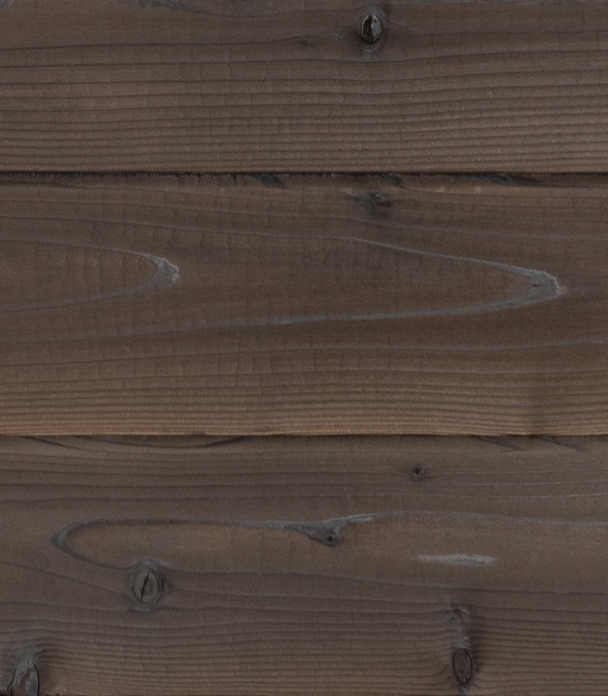
Suyaki unbrushed yakisugi siding with thick black soot layer, tung oil finish — close-up of four horizontal boards

SUYAKI®

Traditional yakisugi left unbrushed, with a thick hydrophobic soot layer that enhances color, durability, and fire resistance.

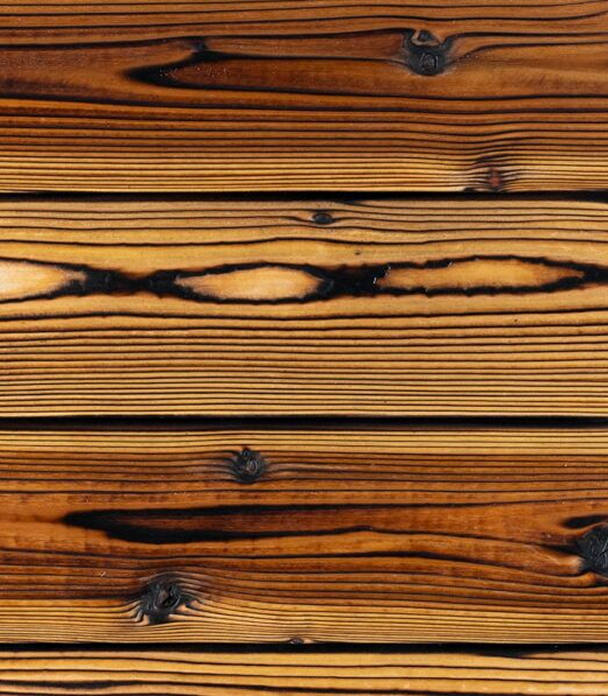
Gendai once-brushed yakisugi siding, select grade, unoiled finish — close-up of four horizontal boards

GENDAI®

Our most popular yakisugi; brushed once to remove heavy soot for a smooth, silky finish.
Pika Pika twice-brushed yakisugi siding revealing natural wood grain, select grade — close-up of four horizontal boards

PIKA-PIKA®

Brushed twice to remove most loose soot to reveal a textured surface and striped grain patterns.

Not sure which option is right for you? Learn more about choosing a yakisugi surface texture, or try our Product Selector for a guided way to narrow your search from our full catalog of wood products.

Uncharred Wood Products
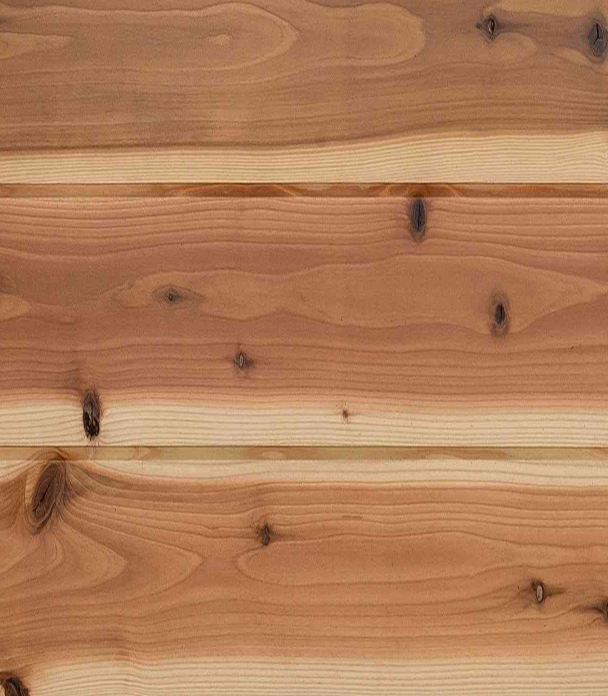
Sugi uncharred Japanese cedar siding, select grade, unoiled finish — close-up of four horizontal boards

SUGI

Japanese cedar, milled and graded for maximum durability. Versatile for both exterior and interior applications.
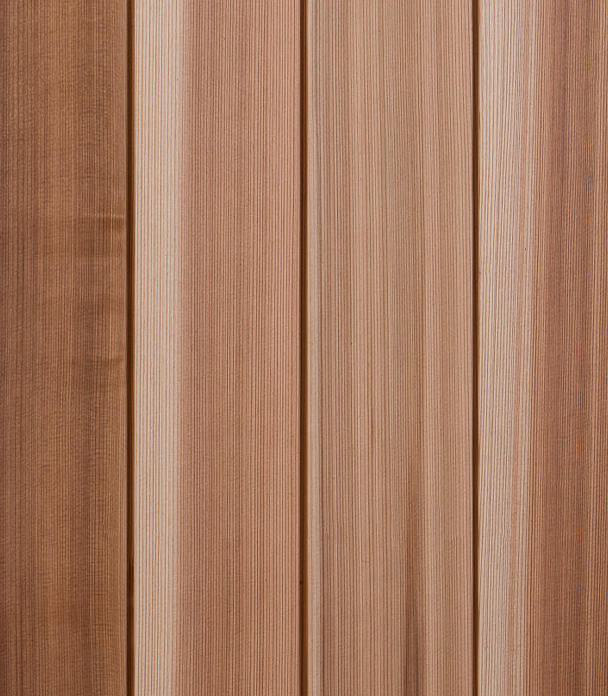
SUGI CVG

SUGI CVG

Quarter-sawn from old-growth-sized logs with tight growth rings, milled for a straight-grained, knot-free look. Ideal for refined interiors, paneling, and high-end exterior applications.

Hinoki uncharred Japanese cypress siding, JOKO finish — close-up of four horizontal boards

HINOKI

Japanese cypress, prized for its aroma, rot resistance, and traditional use in shrines, baths, and fine millwork. Suitable for paneling or furniture.

Step 3. Choose a Color

In addition to leaving wood natural (unfinished charred or uncharred), each surface type has a set of compatible factory finishes. These coatings influence both appearance and color durability, ranging from natural patina to long-term color stability.

  • SUYAKI® – Available with tung oil (exterior) or polyurethane (interior).
  • GENDAI® – Available with linseed oil, alkyd oil, acrylic coating, or weathering stain.
  • PIKA-PIKA® – Available with linseed oil, alkyd oil, or acrylic coating.
  • SUGI & SUGI CVG – Available unoiled or with weathering stain; customers may also apply their preferred oil finish.
  • HINOKI – Typically left unoiled to preserve its natural aroma and appearance, though an oil coating may be applied.

Patina-to-Color Durability Spectrum

This spectrum compares how finishes evolve visually—from those that embrace natural weathering to those that preserve factory-applied color the longest.

  • Weathering stain – Develops a soft, even silver patina over time (Exterior)
  • Linseed oil – Highlights grain, allows natural color shifts (Exterior)
  • Alkyd oil – Semi-opaque, slows color change for a longer-lasting look (Interior + Exterior)
  • Acrylic coating – Strongest color stability, holds factory-applied color the longest (Interior + Exterior)

To ensure the correct surface and coating, review individual product pages for surface/finish combinations offered for your application. For more information, visit our knowledge topic on choosing an oil prefinish color.

Step 4. Specify Board Profile

The diagrams shown represent our most common siding profiles, but our full range includes additional dimensions, thicknesses, and edge treatments. Availability varies by product line. For example: 

  • Standard siding – 1 x 6 and 1 x 8 boards in shiplap or square edge.
  • 5/4 stock – Offered in multiple widths for trim, louvers, or other architectural details. Available in Suyaki®, Gendai®, and Pika-Pika®.
  • 8/4 rough stock – Available in Sugi CVG and Hinoki for furniture, cabinetry, window and door trim, flooring, or balustrades. 

When choosing a profile, consider both your design goals and installation preferences. Both shiplap and square edge perform equally well, but we often recommend shiplap for its ease of use. 

For detailed specifications and drawings of available profiles, please see the individual product pages or contact our team

Learn more about choosing a profile

Step 5. Select a Wood Grade

Our wood products are available in three grading options:

  • Standard Select Grade – Includes visible knots, offering a natural, traditional character.
  • Premium Clear Grade – Free of knots, with a uniform appearance suited for contemporary designs.
  • CVG (Clear Vertical Grain) – Quarter-sawn, knot-free boards with straight, vertical grain for greater dimensional stability and a refined, even appearance. A premium option for high-end siding, interiors, and furniture. Available only in Sugi.

There is essentially no difference in siding performance between the grades; the choice is primarily aesthetic and budgetary. Availability depends on product and profile: Premium Clear Grade is offered in 6” shiplap for Sugi, Gendai®, and Pika-Pika®, and as moulder blanks for Hinoki. CVG is available only in Sugi. 

Standard Select Grade
Image of Premium Clear Grade Sample for Buyer's Guide
Premium Clear Grade
NFNA_RenderingMockup_1920_1MB_Sugi_CVG_No_Nails
CVG (Clear Vertical Grain)

Learn more about selecting a wood grade

Step 6. Add on Accessories

The next consideration is determining which installation accessories your project requires. We carry a variety of rainscreen, aluminum trim, and fastener options that match the durability and aesthetics of our products, while simplifying maintenance.

Please note that our lumber products may be purchased without bundling any additional accessories. 

The full catalog is available on our siding accessories page.

Next Steps

Use this guide to narrow your options and choose the products that best fit your project. Add items to the quote cart to request a quote or contact our team—we can help at any stage of the process.

Knowledge

Find everything you need to know about our products—from FAQs, to finish coating options, to manuals and technical documentation

Shou Sugi Ban, Technical
Shou Sugi Ban, Science & Sustainability

Find Your Match

Answer a few quick questions, and our experts will provide personalized recommendations tailored to your style, needs, and project requirements.

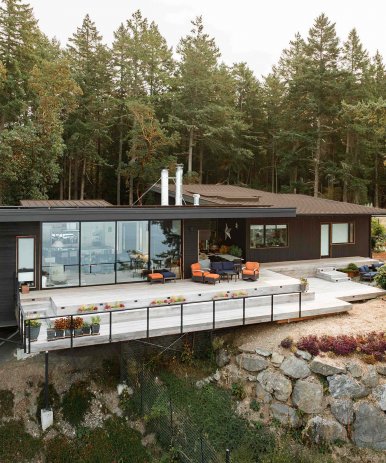
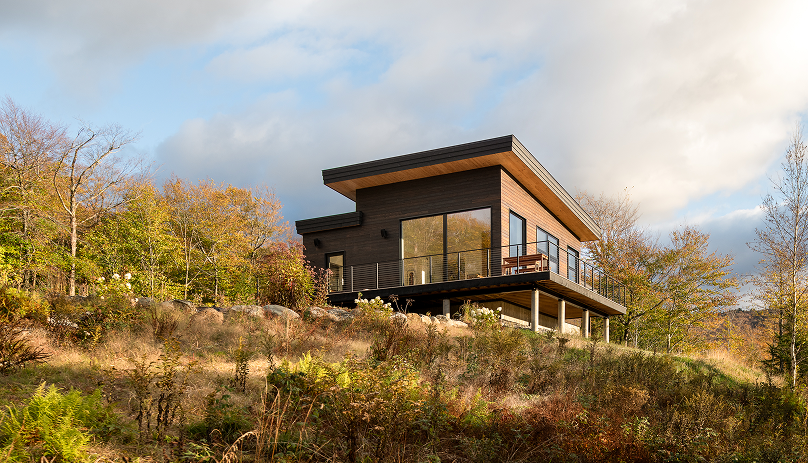
Modern House on hill with yakisugi siding