Choose the options you’d like to add to your quote request.

Sorting:
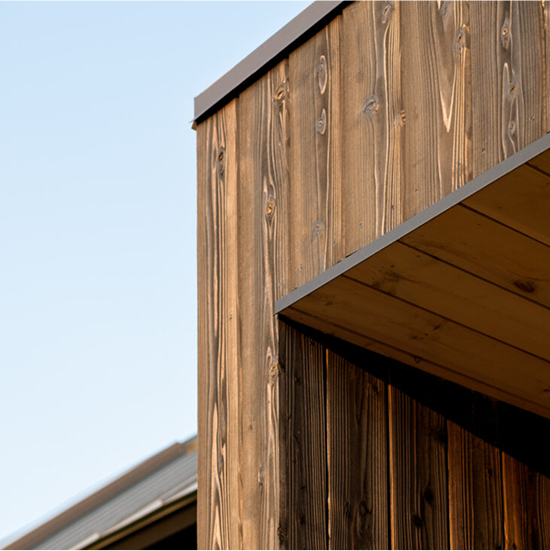
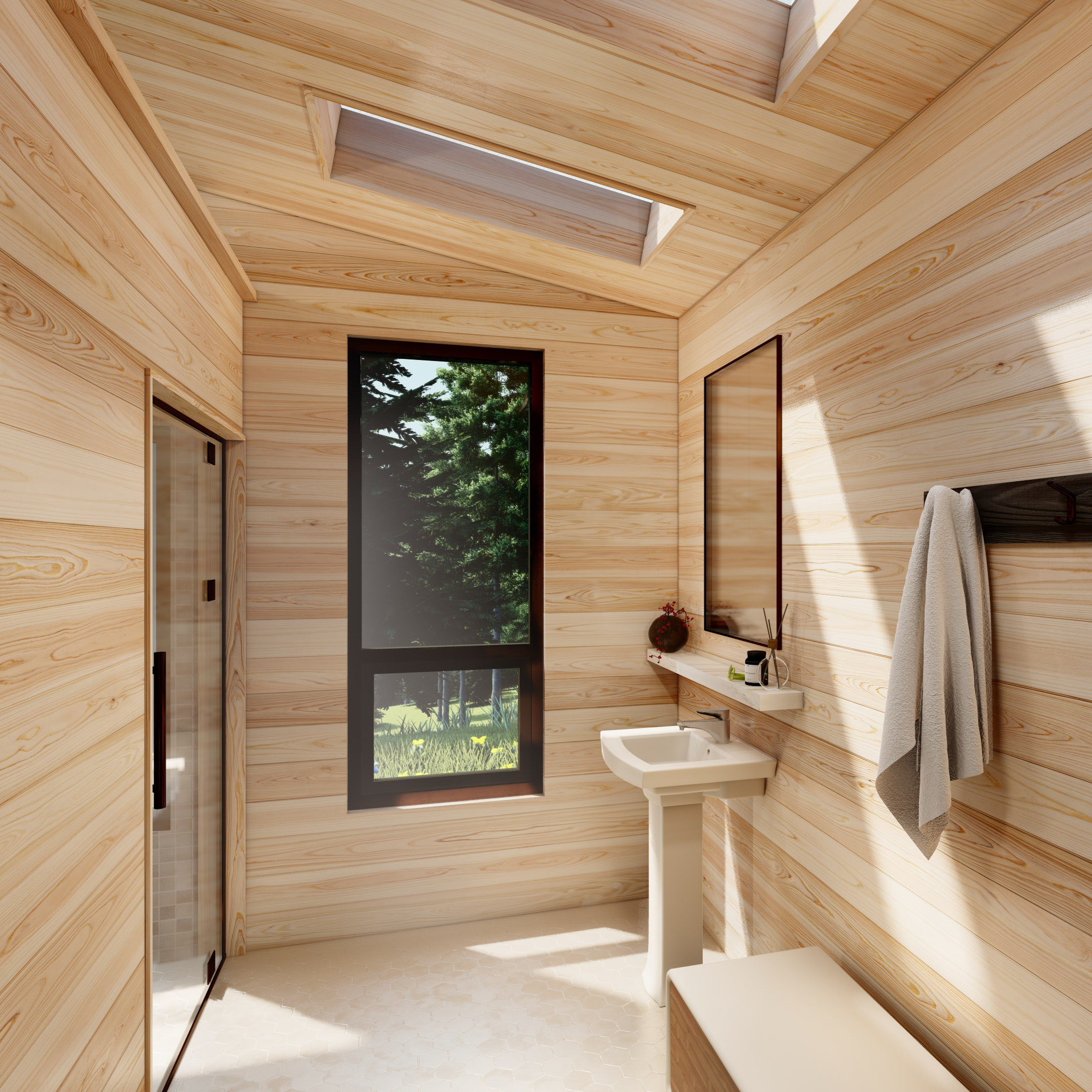
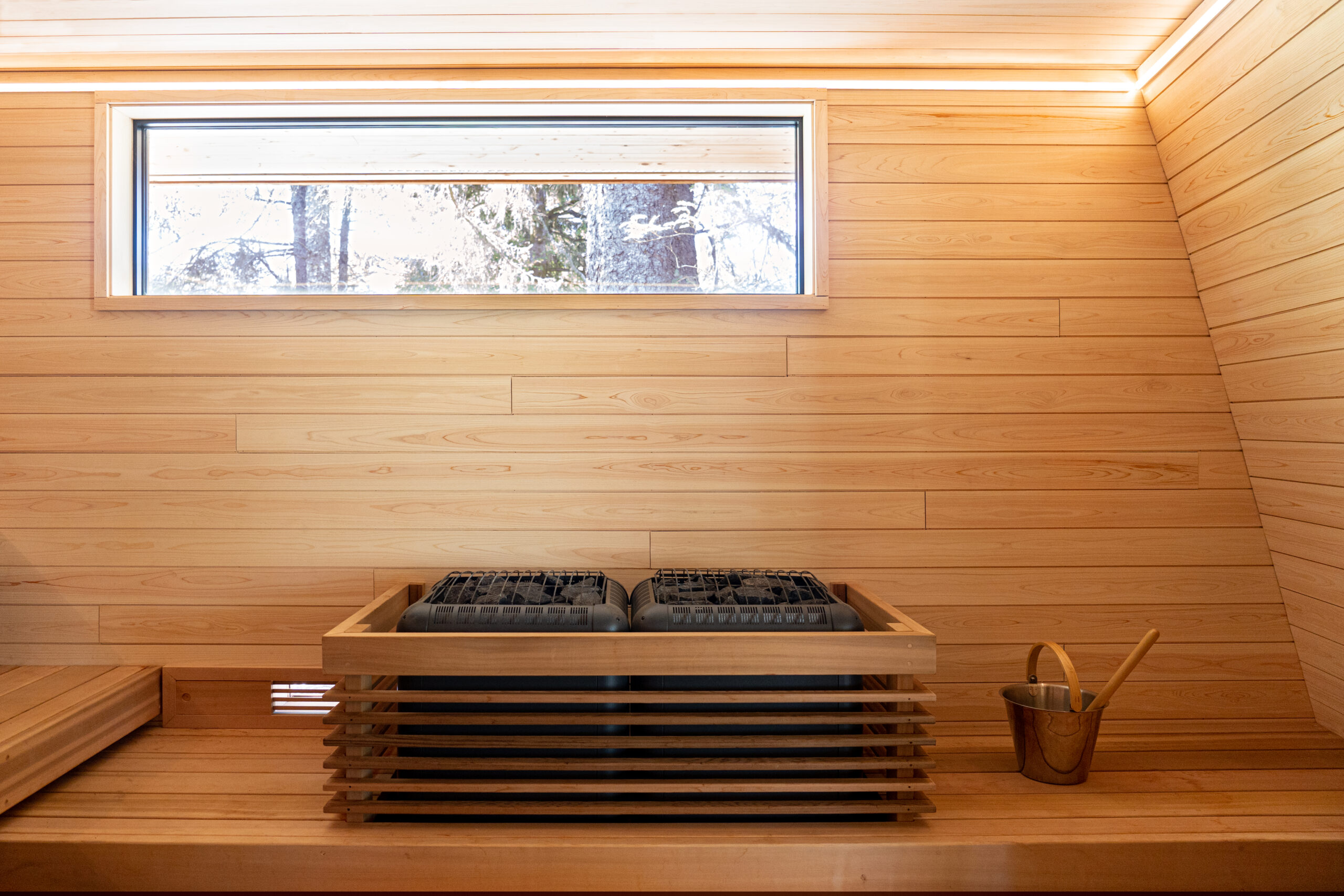
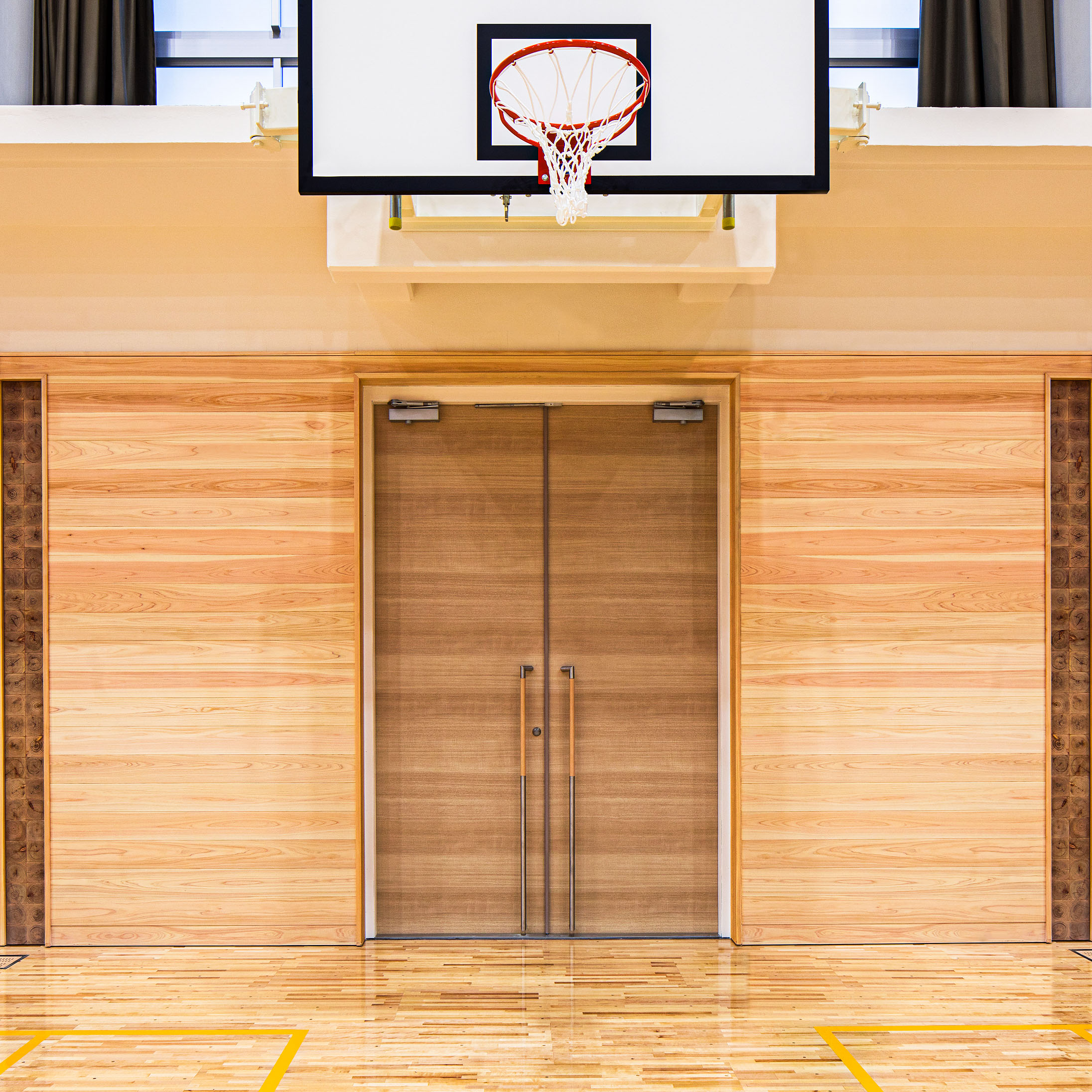
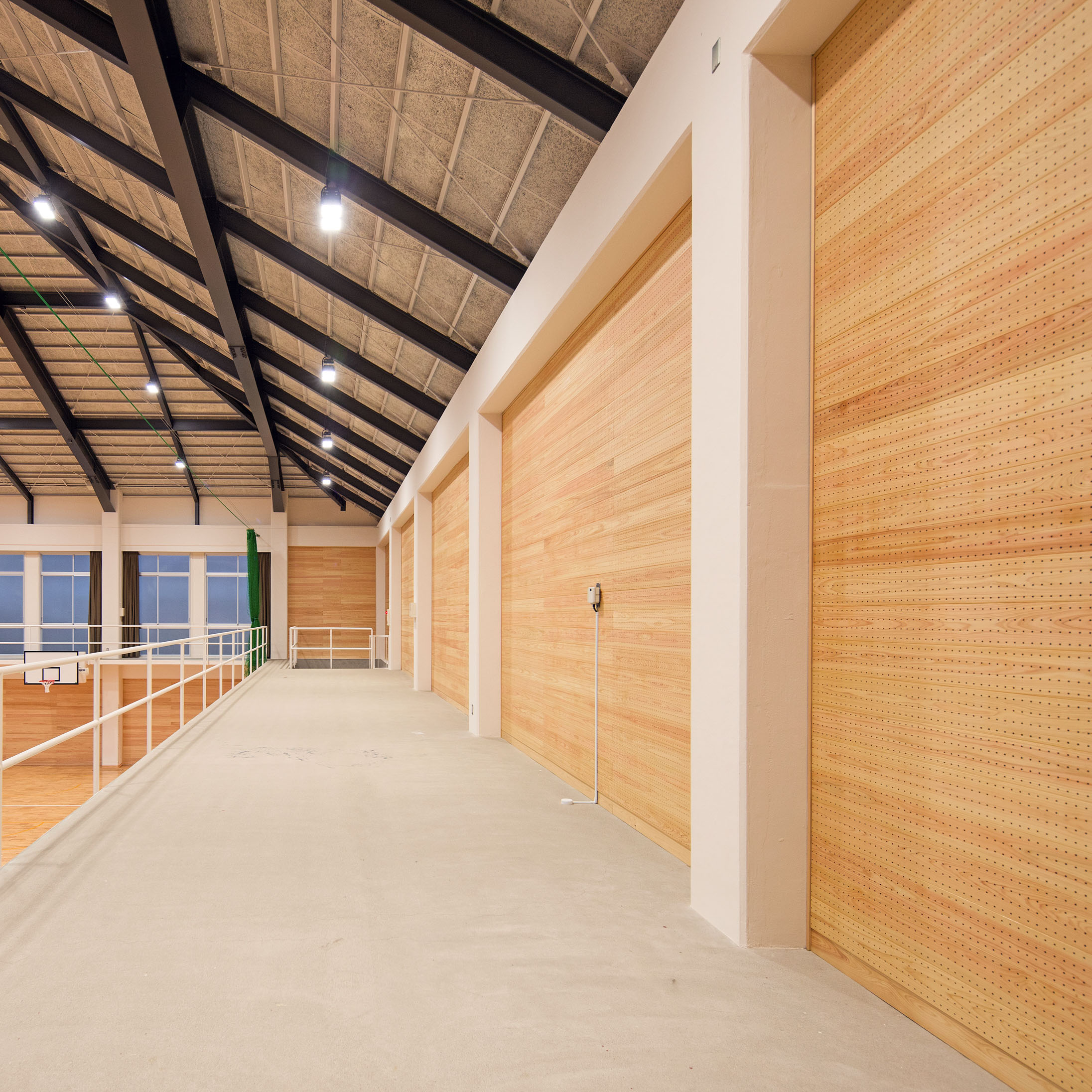
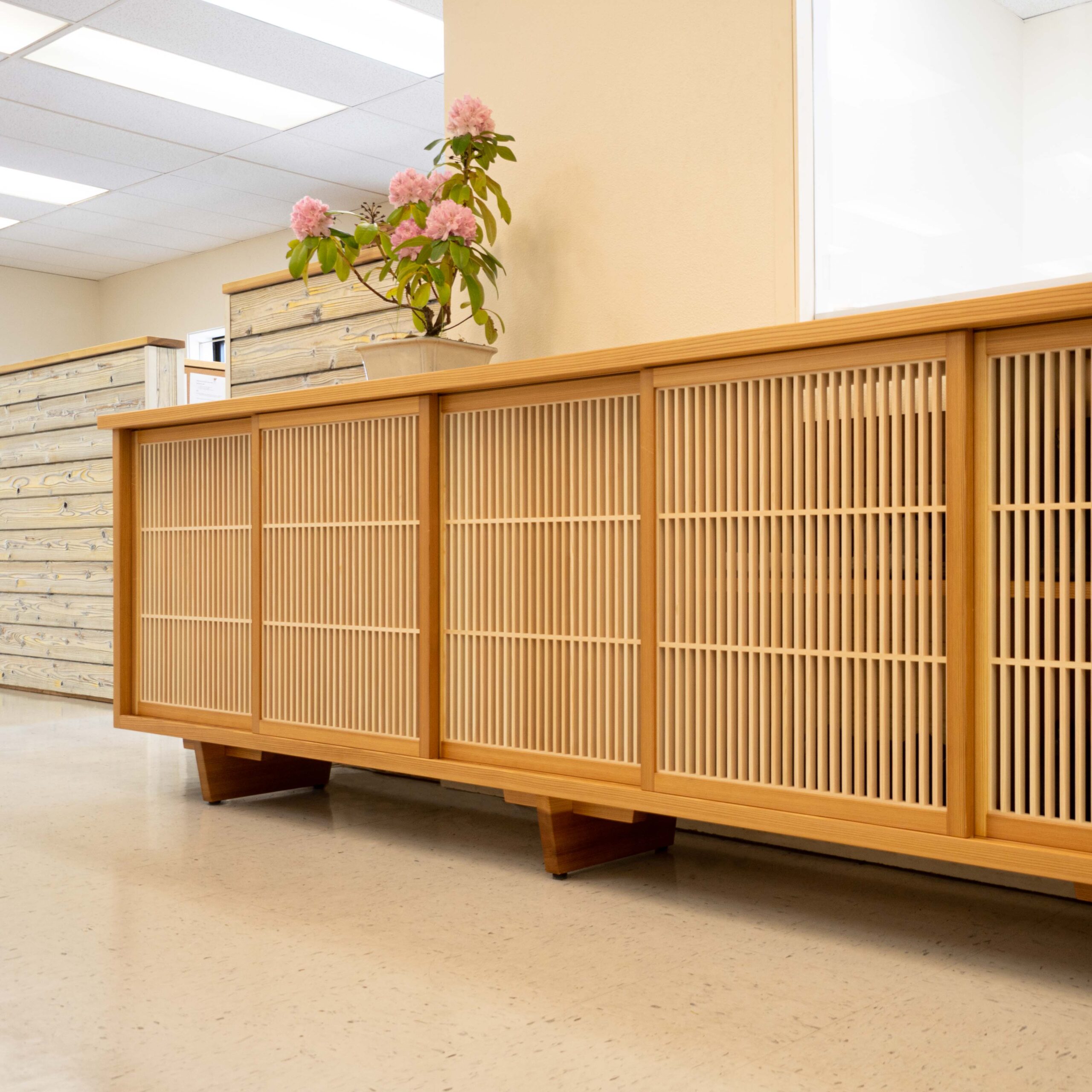
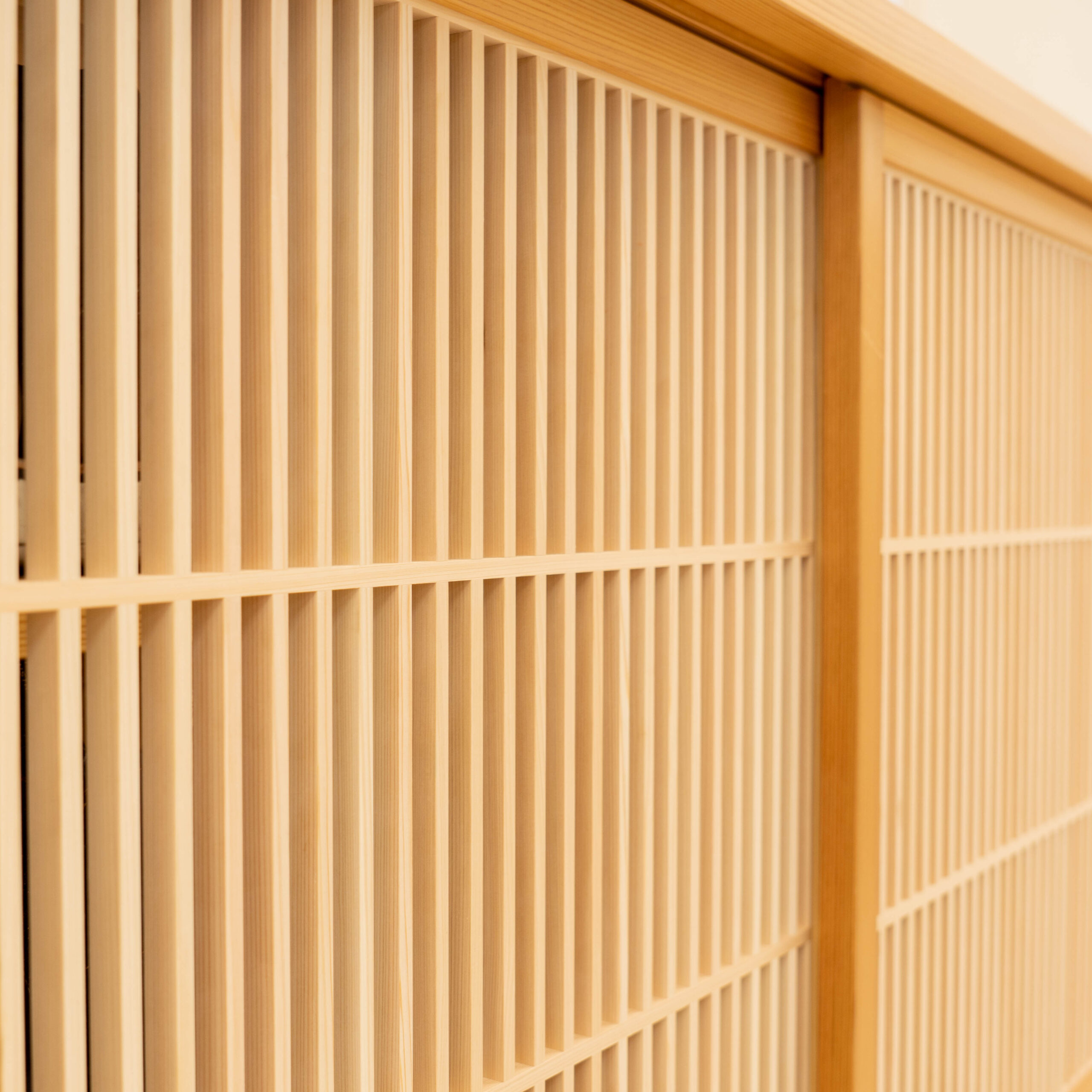
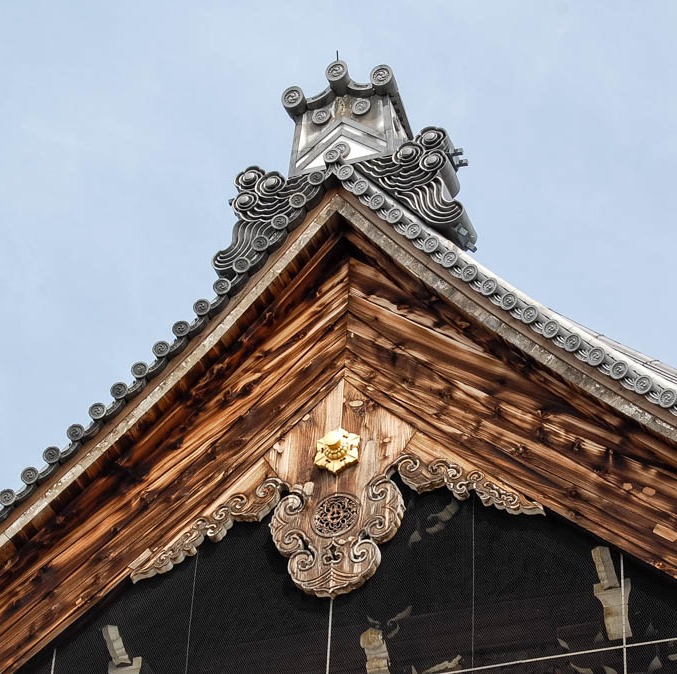
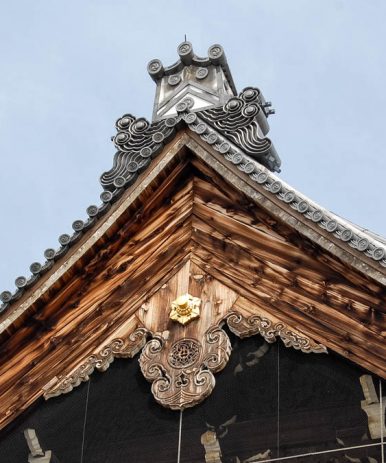
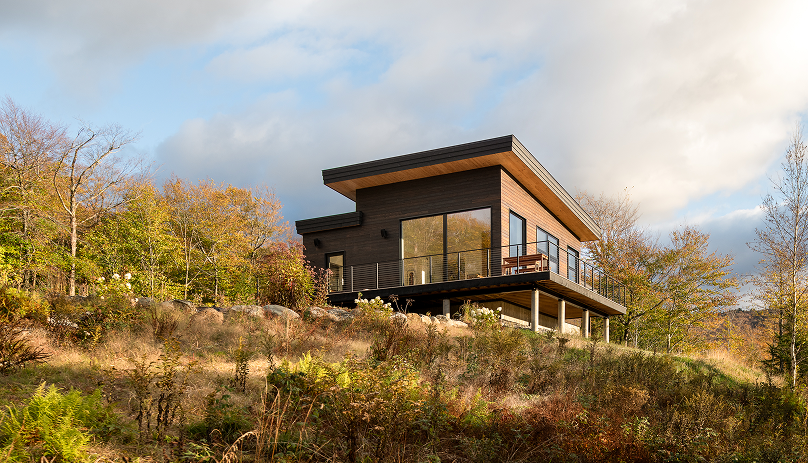
Hinoki cypress (Chamaecyparis obtusa) is an aromatic and rot-resistant lumber species native to central and southern Japan. The wood's straight grain, light color, and luxe planed sheen make it an ideal aesthetic material for wall, floor, and ceiling surfaces. Can be substituted for Port Orford Cedar in most specifications. Hinoki's aesthetic beauty and resiliency make it an excellent choice for both interior and exterior applications, with or without a finish applied.
For rough stock pricing and quotes, please contact Sales.
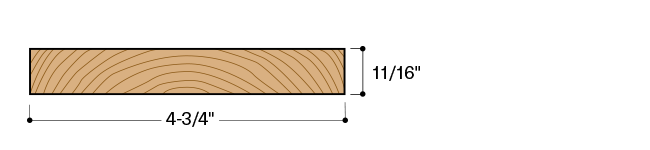
1 x 5 x 12 Moulder Blank ! Premium Clear Grade
| Profile | Premium Clear Grade | Clear Vertical Grain |
|---|---|---|
| 1 x 5 x 12 Moulder Blank | HM2000 | - |
| 8/4 Rough Stock | - | HT4000 |
1 x 5 x 12 Moulder Blank

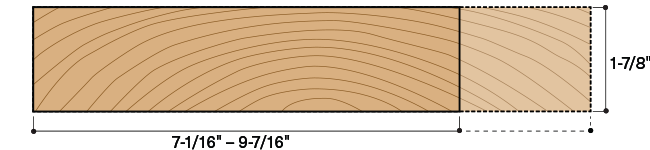
8/4 Rough Lumber

Hinoki’s durability and preservability are among the highest levels in the world. If coated with a finish, the wood will lose its fragrance. Customers can add their own preferred coating to wood after milling using standard tradecraft.
n/a
n/a
For more detailed installation and maintenance guidance, our installation manual is available upon request. Please contact our sales team to get a copy.Installation manual available upon request, please contact us for assistance.
Please add a healthy overage ranging from 15–25%, as shipping additional material can be expensive.
Per design specifications
Air dried then kiln dried to 9-13% MC, but may fluctuate during transport or warehousing. Please acclimate on site for two weeks prior to installation.
Please inquire with our Sales team for current certifications and listings.
PEFC chain of custody certified PEFC/29-44-03
Our resource hub for product information, technical articles, case studies, and content related to yakisugi and traditional Japanese wood products.
Answer a few quick questions, and our experts will provide personalized recommendations tailored to your style, needs, and project requirements.
Choose the options you’d like to add to your quote request.
Nakamoto Forestry North America lumber products come from privately owned forests in Western Japan that have been sustainably managed for generations.
Please visit our sustainability page for certifications and EPDs.
Our Portland location is configured for manufacturing and remote sales and does not include a customer showroom.
We provide support to customers through email and telephone communication and typically send samples via USPS Priority Mail. To receive product samples, please visit our samples page and select a sample kit, or add up to 8 individual product samples to your checkout cart. For inquiries regarding Nakamoto Forestry products, our team is available Monday through Friday, from 6am to 4pm Pacific Time.
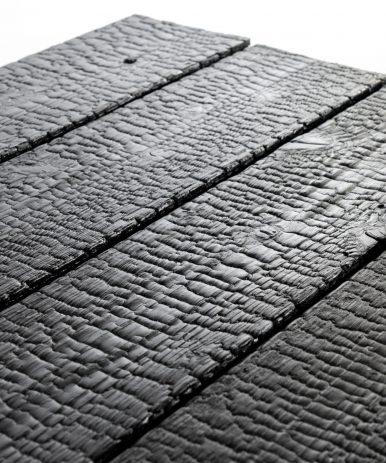
Yakisugi is a product, not a burning process. The term refers to a specific type of charred wood exterior siding that has been used as a vernacular building material in Western Japan for hundreds of years. In other parts of the world, yakisugi is sometimes called “shou sugi ban” siding.
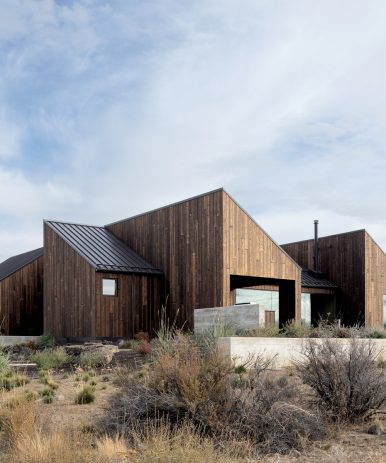
Traditional yakisugi siding starts with logs of Japanese cedar (known as “sugi” in Japan) that are holistically milled into thin planks. The wood then receives intensive flame-treatment to improve resistance to rot, UV, moisture, fire, insects, and dimensional movement versus untreated wood siding. Yakisugi’s maintenance-optional durability provides exceptional long-term cost performance over its extended natural life cycle.
Yakisugi also offers a timeless beauty that is readily adaptable to projects. It has a quintessential wabi-sabi design aesthetic that can be finished in different ways to achieve a broad range of appearances. Learn more about authentic yakisugi.
The short answer is that there is no difference—they refer to the exact same product. But here’s how we got two competing terms for the same kind of charred Japanese cedar siding. In Japan, the term yakisugi is used exclusively to describe this material, though it is sometimes written as yakisugi-ita.
The alternate name shou sugi ban originates from a Westerner’s misreading of yakisugi-ita, where they apparently mixed Japanese and Chinese pronunciations of the ideograms. The word “yaki” in Japanese (meaning burnt or charred) is pronounced “shou” in Chinese. “Sugi” refers to the conifer Cryptomeria japonica—a type of cedar that’s indigenous to Japan. “Ban” is the Chinese reading of the ideogram for board or plank, pronounced “ita” in Japanese.
While the term shou sugi ban caught on in the West when the material was introduced in the 1990s, the online keyword yakisugi is appearing more frequently in searches, databases, and media. Read more about yakisugi vs shou sugi ban.
For a variety of reasons, we specify whether each of our products can be used indoors, outdoors, or both. The key distinction lies in whether the space will be exposed to direct weather conditions, regardless of whether it has conditioned air. Exterior-only products are not suitable for indoor use, and interior-only products are not suitable for outdoor use.
For detailed information, please refer to the individual specification sheets for the Nakamoto Forestry products under consideration for your project.
Our lumber products are all of Japanese origin and are unaffected by Canadian import duties from the US. All North American orders ship from inventory stored at our US facility within two weeks. Any tariff costs are included in our published pricing and you will not be charged additional taxes (aside from your GST or HST).
All North American orders ship from inventory stored at our US facility within two weeks. Any tariff costs are included in our published pricing and you will not be charged additional taxes (aside from your local and state taxes).