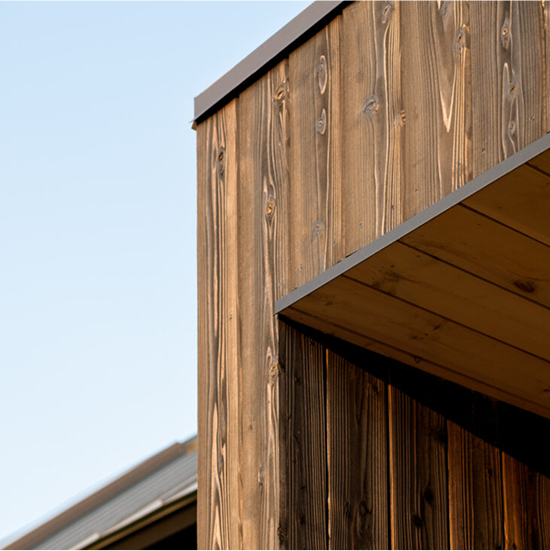
With most of the globe having spent the better part of the past 18 months social distancing, staying indoors and quarantining, it’s no wonder that home renovation and improvement projects have exploded in popularity worldwide. Home remodeling searches have more than doubled from 2020 to 2021, with over 75% of homeowners reporting that they don’t plan to travel before the end of the year. As a result, many are taking this opportunity to give their homes extra care, and incorporating wood paneling into your home is an easy way to ensure that it’s comfortable, beautiful and safe.
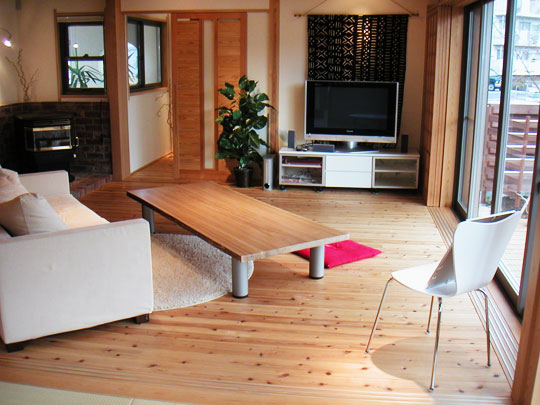
Americans spend nearly 90% of their lives indoors on average. As a result, we breathe a lot of recycled air that can be much more toxic than outdoors. This is mainly due to poor ventilation, VOCs from various products, and synthetic building materials. Schools, hospitals, workplaces and other common indoor gathering spaces dominates our lives, making it difficult to prioritize outdoor experiences. But what if we had easy alternative options available to minimize the exposure to toxins indoors?
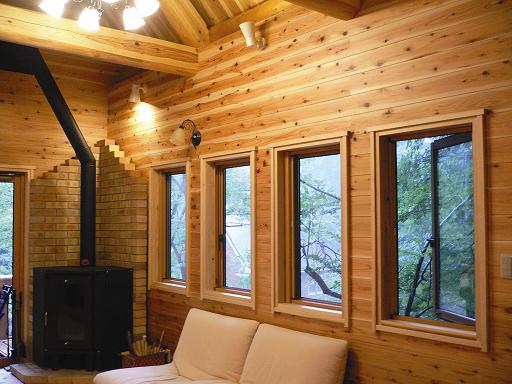
Natural building products are gaining popularity for a few reasons. Reducing exposure to unhealthy airborne toxins and actually helping to filter indoor air are major factors in this regard. Along with sustainability and beauty, one of our main motivations at Nakamoto Forestry is healthy living. Subsequently, our sugi product line is deliciously fragrant and the wood acts as an air purifier as well. A traditional application of unoiled shou sugi ban in the Kyoto region is on foyer and living room ceilings. The soot layer acts as a carbon filter, purifying the air in the room as it passes through. For example, you can see this application in old machiya around town in Kyoto. Natural materials are better for the earth, and are proven to have numerous psychological and physiological benefits when used indoors.

Many studies have concluded that exposure to natural wood products indoors has health benefits that mimic those created by spending time outdoors in nature. For instance, reduced blood pressure, heart rate, and stress levels as well as improved well-being, creativity, and cognitive abilities are all associated with direct exposure to nature. Wood products also act as an air filter, capturing and reducing emissions from our atmosphere and keeping the air we breathe clean. They can also help moderate humidity by absorbing and releasing moisture to maintain equilibrium with the surrounding environment.
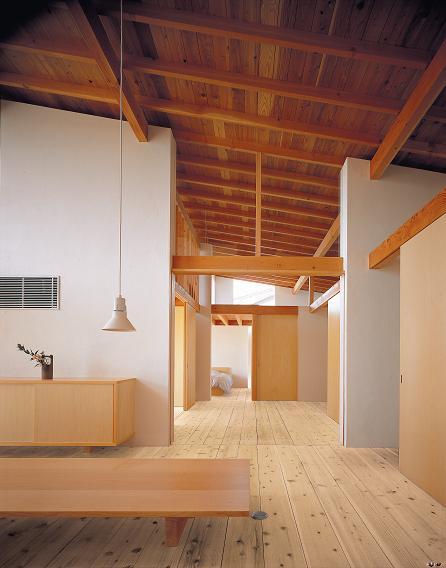
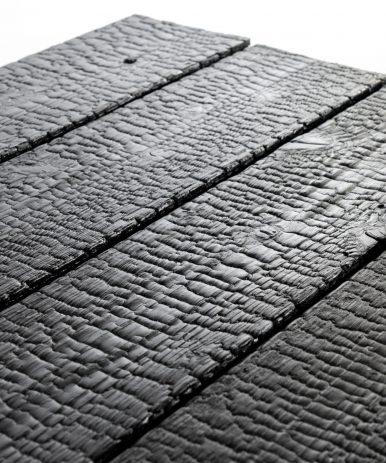
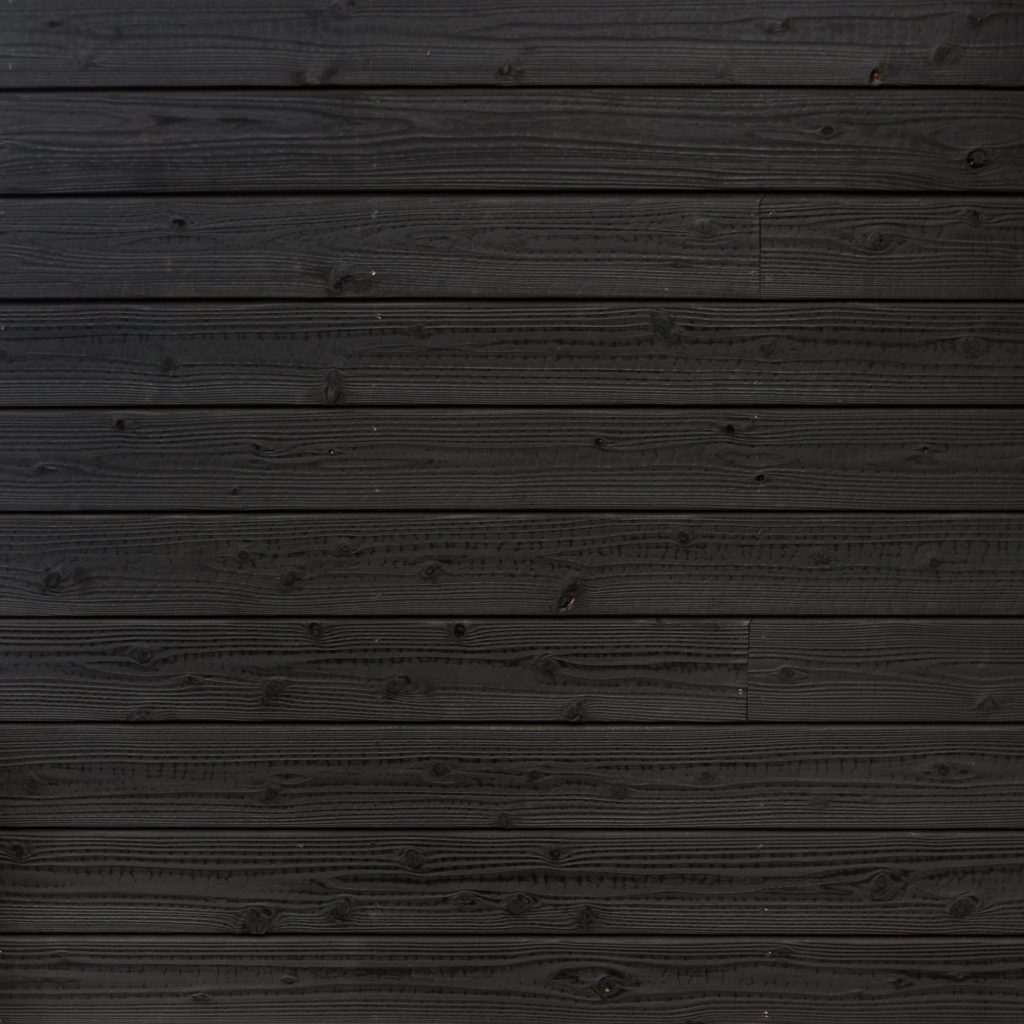
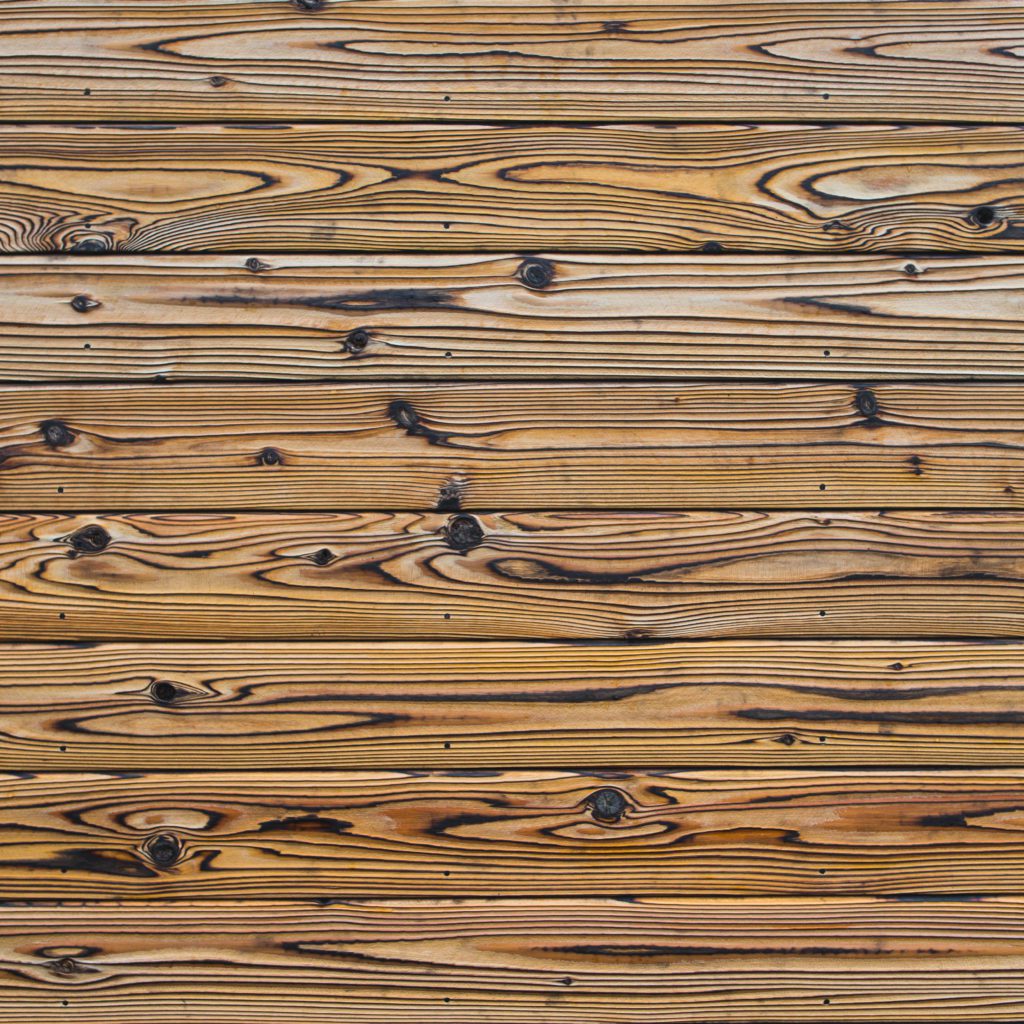
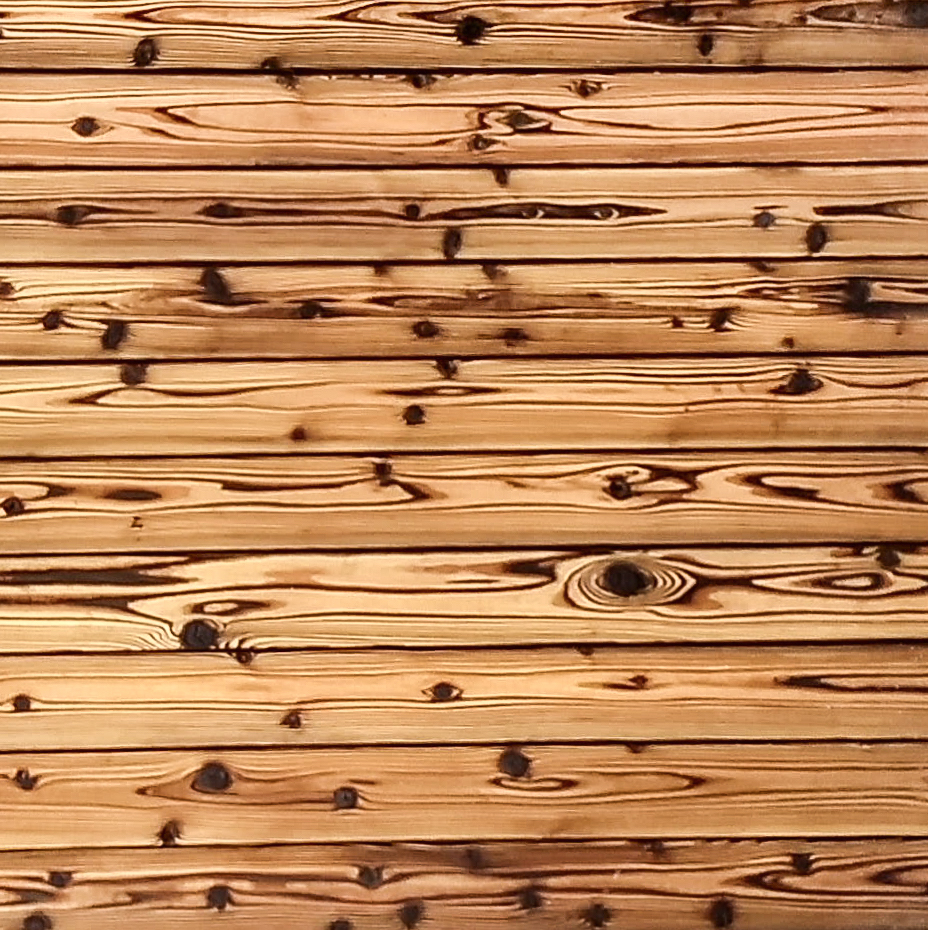
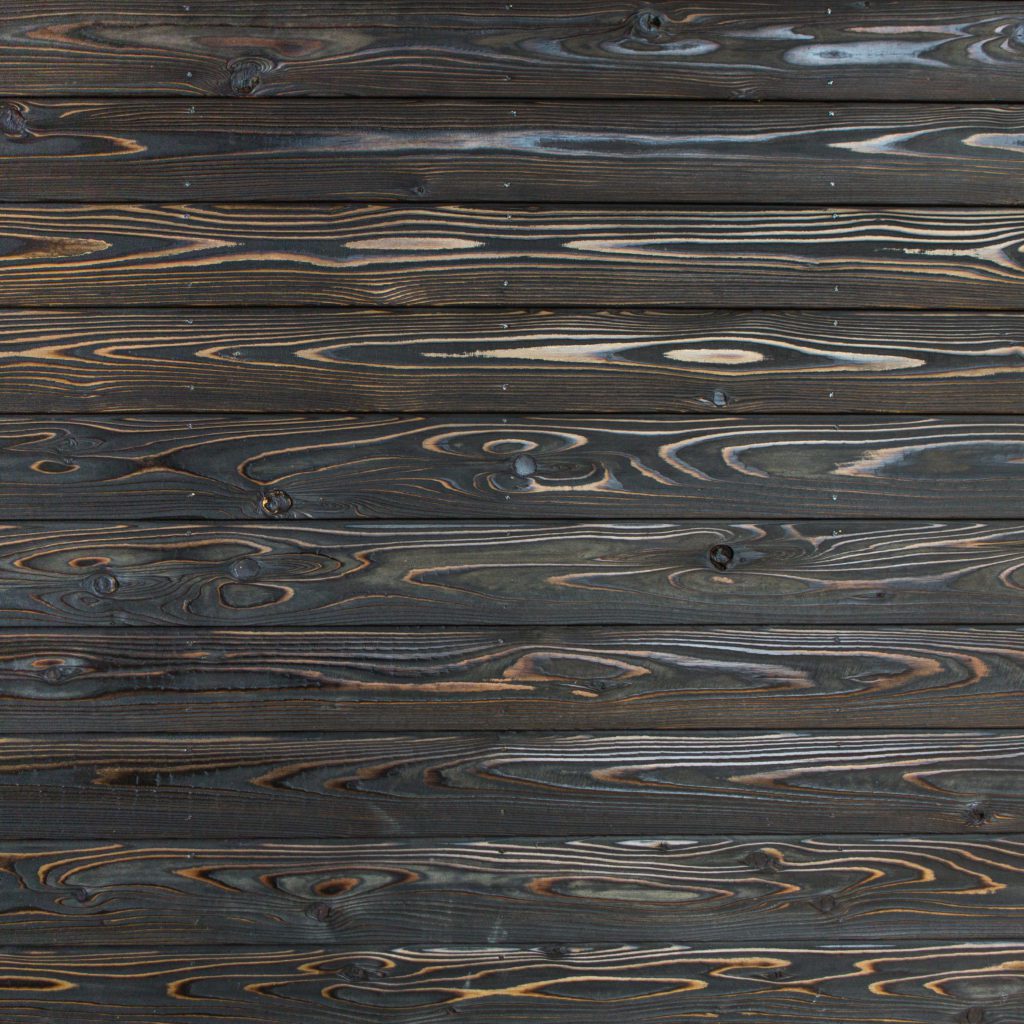
Incorporating wood materials into a new project is extremely easy, with a variety of different species available that each bring their own benefits to the table. It’s also a fantastic way to bring biophilic design into play, which you can learn more about here. Our charred wood shou sugi ban products come in a wide range of colors and textures, which you can mix and match to fit the needs of any design.


Regardless of the type of wood specified, incorporating natural wood products indoors has been proven to have an overwhelmingly positive effect on those who spend time there. With the way the world has changed over the past two years, it’s our responsibility to help make indoor spaces healthier for all.
Nakamoto Forestry is committed to promoting sustainability, beauty, and healthy living in all of our work.
Learn more here.