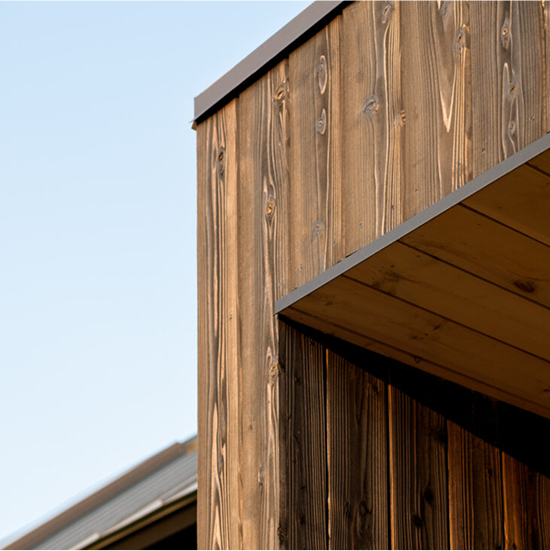
Every Japanese person intuitively knows about the concept of wabi-sabi. Still, when asked to explain or define it, we cannot put it into a clear and concise definition. Often, when we try to explain it, we end up contradicting ourselves. Although Japanese culture has a core philosophy and value system reflected in wabi-sabi, each person interprets it differently. I will try to define the meaning of wabi-sabi and what it means to me as simply as possible knowing that ultimately, the term escapes definition.
Wabi-sabi is often expressed or written as one combined word. The compound noun contains some images of the Japanese aesthetic- the simple and calm beauty of objects with wholesome imperfections. However, if we uncouple the wabi from sabi, we can better understand the concept. Let’s take a look at the two words separately:
Initially, the word wabi had a negative meaning – conveying pessimism and mourning, the feeling of sadness and anxiousness from a wish unfulfilled. The meaning changed in the 16th century, shifting to a more positive connotation of acceptance in plans going awry. Experiences such as disappointment or poverty could be met with calm. Wabi expresses the spiritual abundance of discovering simple beauty in having less and enjoying it. Wabi is the beauty that can be felt from natural imperfections and shortages rather than something artificially crafted.
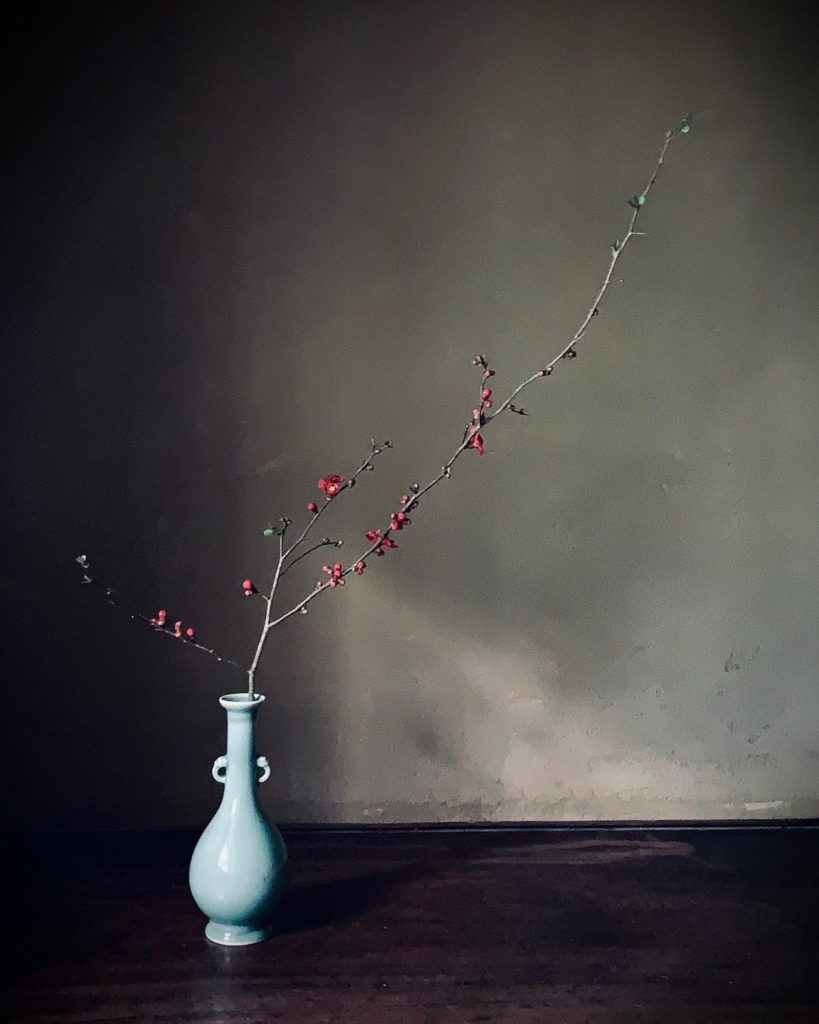
Sabi possesses a meaning of discovering the beauty in an appearance that has deteriorated or gotten old over time. We feel that an object has a life and history that is reflected in its unique patina. The thing is imperfect and reveals its character and inner life, unlike an artificial material. The sabi object is a reflection of our own continuity through change.
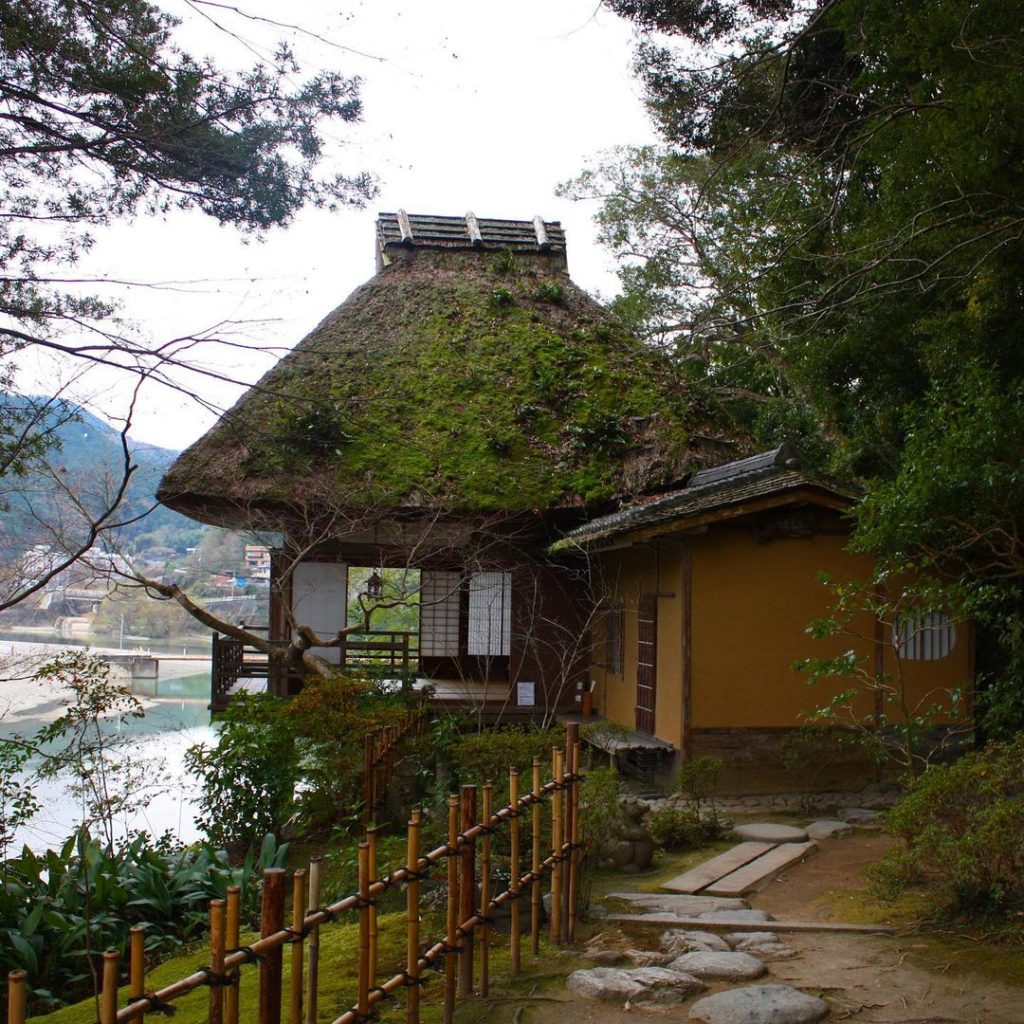
Both wabi and sabi find positive conceptions in what is regarded initially as unfavorable. Wabi-sabi is to find the beauty behind something, its atmospheric feeling, not just its external appearance. There is an element of loss, of transience, but also abundance and transformation.
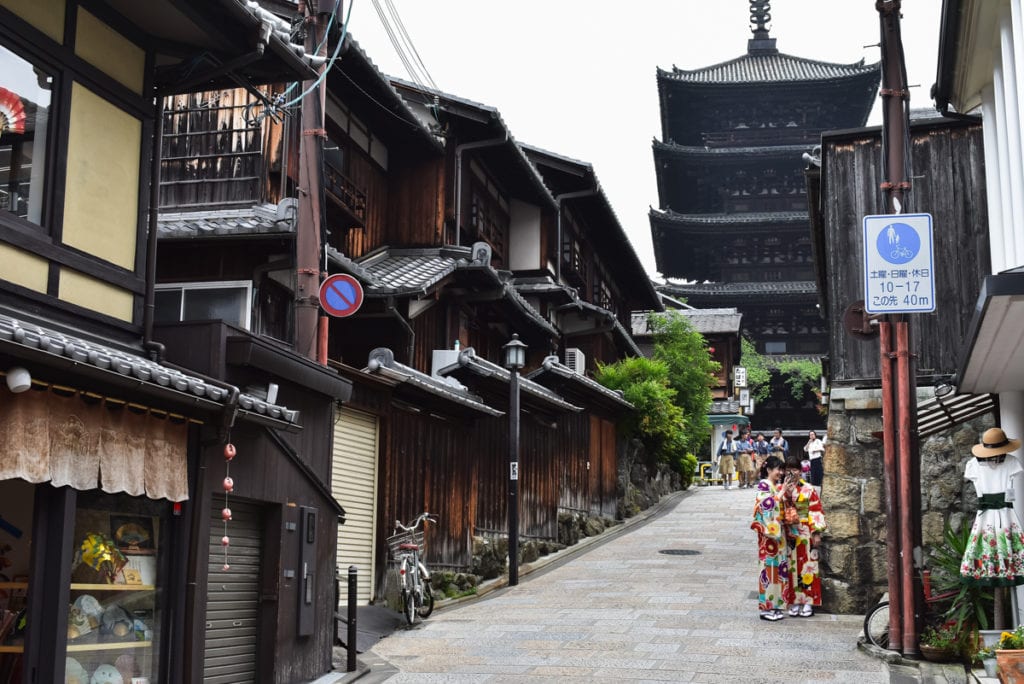
Damage from weathering, rust, and moss can be seen in old buildings. You could say, “This temple surrounded by tranquility has no gorgeous decoration, but it feels like wabi-sabi.”
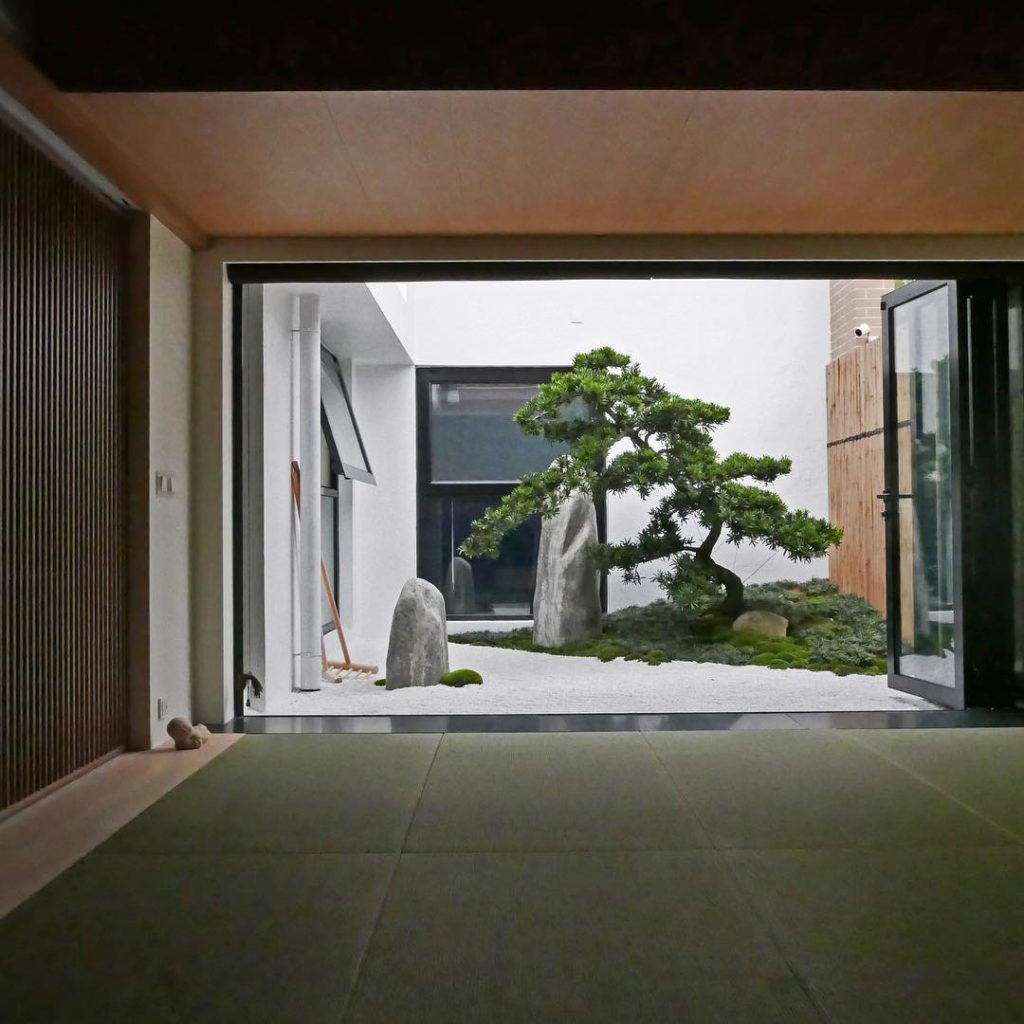
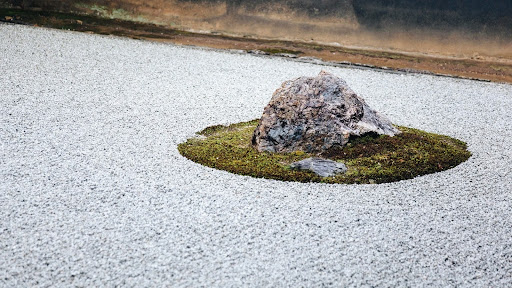
When we see moss growing on stones in a Japanese garden, we think about the beauty of the greenery and the time it took to develop. The fundamental characteristics of the rocks do not change even after decades, so we feel a sense of stability. “I feel wabi-sabi from this stone and feel calm when I look at it.”
Japanese culture has developed a sensibility that appreciates simplicity, the fragile beauty of things that are impermanent but nevertheless endure, aging in their own particular way, deteriorating but also developing character. In this melancholic beauty, we achieve a certain aesthetic bliss.
Check out this documentary video that explores the concept further: