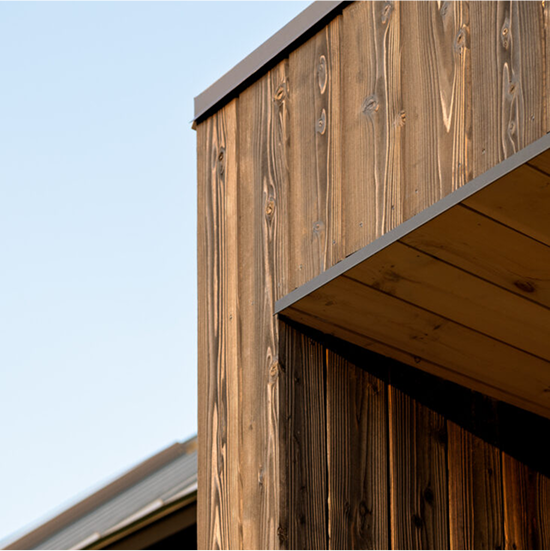
Yakisugi “shou sugi ban”is a low–maintenance wood siding with a proven reputation for both durability and aesthetic beauty. As yakisugiwoodis exposed to sun, rain, and changing seasons, it develops an organic, earned patina—a unique display of color and texture that evolves over time. Gradual development of rich surface patinas can only be achieved through years of weathering—which we believe is a great example of the Japanese concept wabi sabi.
The Beauty of Natural Change
Whether natural sugi or charred (yakisugi “shou sugi ban”), Japanese cedar siding is made to last for generations— and age gracefully. Sunlight, rain, and time gently transform its surface, creating a one-of-a-kind patina that tells a unique story.
Patina is not a flaw—it’s the hallmark of real wood as it matures to reveal new depth and character over time. No two walls age in the same way.
For owners who prefer to maintain the wood’s original color and/or tone, coatings can be used to slow the natural weathering process.
Weathering
Typical Weathering Effects
All real wood siding naturally changes over time. Color and/or tone variation, light surface checking, and occasional mildew are natural patina effects from sunlight and moisture exposure; they do not reflect structural issues.
Fading naturally occurs across any wood siding installation from both UV and moisture exposure.
Mellowing happens from UV exposure; this oxidation effect deepens reddish-brown tones on sun-facing walls.
Silvering results from moisture exposure, which is common on shaded or north-facing elevations as well as in site installations near large bodies of water.
If mildew is a concern, use a finish coating with an integrated mildewcide. Most exterior-grade coatings already include these additives as standard.
Weathering patterns vary with weather direction, sun, and other site-specific exposures:
Orientation
Typical Weathering
Notes
South / Southeast / Southwest / West
Faster color mellowing; warmer reddish-brown patina over time
Longest sun exposure
North
Slower, more uniform silvering; slightly higher moisture
Less sunlight, more shade
East
Moderate, balanced tone development
Morning sun exposure
Overhangs / Under eaves / Porches
Slower, irregular color shift
Protected from rain/sun
South-facing walls mellow into warm reddish-brown hues.
North-facing walls tend to develop a cool, silver tone over time.
Walls with full sun and rain exposure will weather more consistently from top to bottom. Overhangs, trees, and nearby buildings can cast rain and sun shadows to create distinctive weathering patterns across a wall.
Even within one project, local factors like rooflines, nearby vegetation, or moist airflow can create unique aging patterns.
Finish and Weathering Rate
Finish coatings can slow the weathering process, extend the life of the yakisugi soot layer, and help preserve natural wood coloration. The more pigmented the finish, the longer the color will hold.
In general, black, white, and gray finishes offer stronger UV protection than lighter natural, amber, or brown finishes.
These finishes allow homeowners to choose between two equally valid approaches:
Natural patina: minimal maintenance, organic color and tone evolution.
Stabilized color: periodic re-coating to preserve the original color and tone for decades.
Patina is the soft, evolving surface that forms as the wood interacts with light and weather. It’s a visual record of time—proof of the wood’s life outdoors and a key expression of wabi-sabi beauty.
On yakisugi, the charred surface gradually thins, revealing the warm brown wood beneath.
On uncharred sugi, the natural surface gently oxidizes, shifting from golden hues to soft silver or amber tones depending on exposure and finish choice.
This slow, graceful change deepens the wood’s texture and character over decades—an aesthetic celebrated in Japanese architecture.
How to Encourage a Beautiful Patina
Install with proper wall ventilation and drainage.
Gently wash once or twice per year with clean water.
Allow siding to weather naturally for a few seasons before considering recoating.
Optional re-oiling refreshes the wood’s tone without erasing its story.
While color will evolve, both sugi and yakisugi wood siding remains exceptionally durable over time. It is important to note that durability with yakisugi means siding longevity, and not abrasion-resistance. The soot layer and coatings must be soft and elastic for best longevity performance.
Wood Longevity: Uncharred sugi naturally resists rot, pests, and moisture. The traditional charring process used to make yakisugi hardens the surface, which further enhances its durability and stability. Properly installed yakisugi can last 80 to 150 years without maintenance.
Color Longevity: UV exposure, regional climate, and other site-specific conditions all will affect surface tone changes over time. Applying a finish coating can add different degrees of UV protection, color consistency, and mildew resistance.
Sugi – Uncharred: Gradually silvers or deepens to amber tones depending on exposure.
Suyaki® – Full soot layer (unbrushed): Stays black for decades; an uncoated surface will eventually reveal warm brown wood beneath, while factory-oiled products will not erode as quickly.
Gendai® – Single-brushed: Most projects specify factory-coated Gendai products, which will maintain color and tone stability for years. Unoiled Gendai will gradually lighten, shifting from rich brown to silver-gray tones.
Pika-Pika® – Double-brushed: Without periodic recoating, the siding’s earlywood will retain the coating color longer while the latewood will change color, resulting in a striped appearance.
Weathering in Built Projects
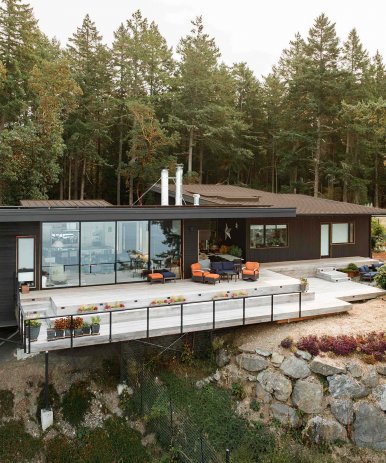
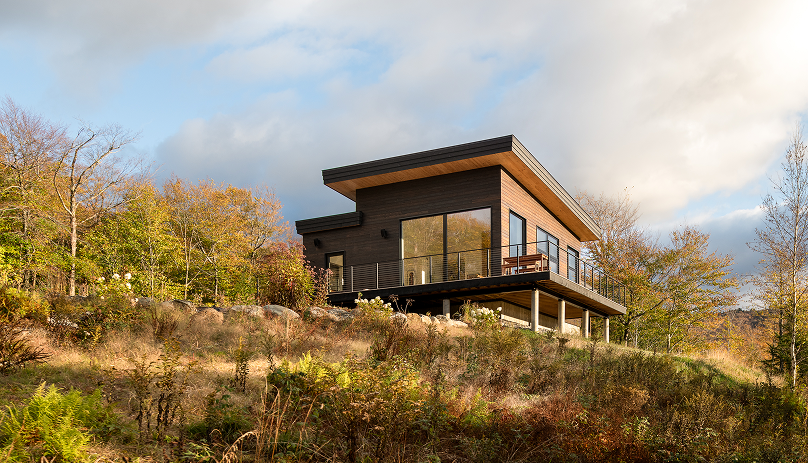
Installed projects showing early to mid-stage weathering in practice.